

Pyxoom (HR)AI was born from the vision of women who understood that human talent deserves more than intuition. Today, our platform turns data into strategic decisions that build fairer, more diverse, and more efficient organizations.
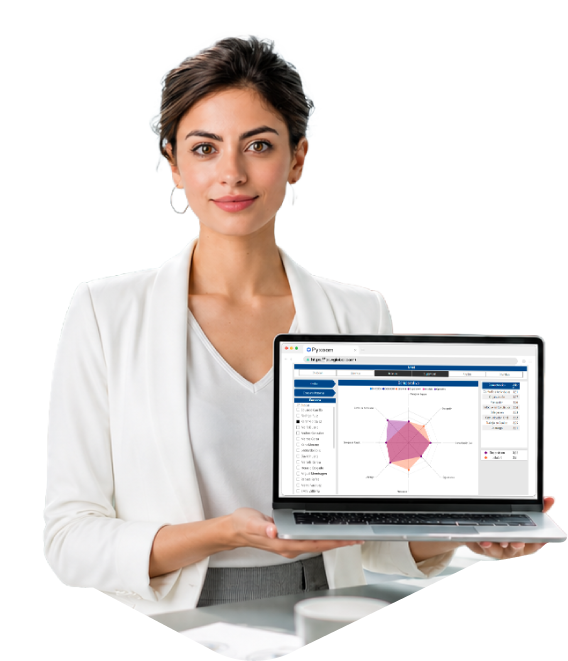
of women-led research in psychometric methodologies transforming talent management.
tailored for organizations committed to diverse, inclusive, and high-performing teams.
with actionable insights empowering leaders—especially women—to decide with real data.
Pyxoom (HR)AI combines psychometric science, AI-powered People Analytics, and expert consulting—all developed from the perspective of women who understand firsthand the challenges of managing talent with equity and precision.

Minimize hiring bias, automate processes with AI, and secure hires that bring real value from day one.
Our AI assesses competencies objectively, dismantling invisible barriers that hinder the progress of female talent.
Identify turnover risks, pinpoint high-potential leadership talent, and build personalized development pathways.
Start with the module you need most and scale as your organization grows. Seamless, unrestricted.
In 30 minutes, we'll demonstrate with real data how our platform applies directly to your organization.
From recruitment to retention, Pyxoom (HR)AI supports your organization with data, science, and the perspective of those who understand talent from the inside out.
Pyxoom (HR)AI Skills assesses more than 30 competencies with AI, breaking down invisible gender barriers. Tec validates technical skills, and Amitai evaluates integrity risks objectively and predictively.
Pyxoom (HR)AI Learn customizes onboarding with AI, recommending learning journeys aligned with each individual's profile and potential right from the start.
Pyxoom (HR)AI 360 uncovers gaps, benchmarks performance, and generates career roadmaps that elevate female talent and pave the path toward leadership.
Predictive models engineered by women who know talent from the inside out: anticipate turnover, detect inequities, and offer evidence-based action plans.
Pyxoom (HR)AI Analytics tracks workplace climate, detects wellness risks, and produces reports that help build environments where talent—especially female talent—flourishes.
The Urbadigital team in Ecuador guides you through every step of implementation, from start to finish.
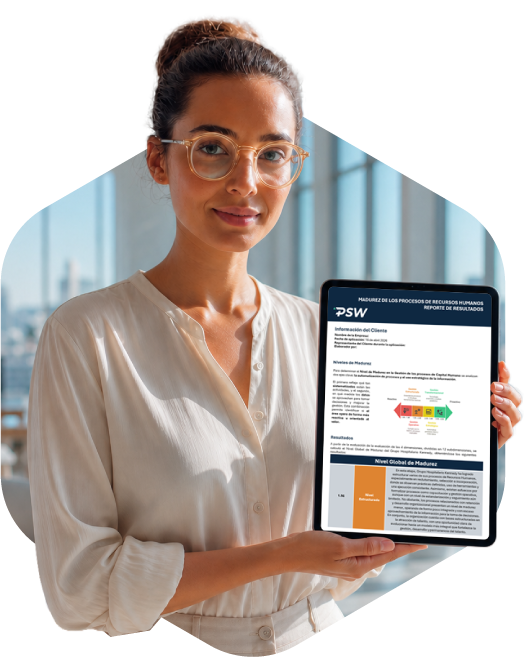
Psychometric methodologies backed by over 33 years of research, engineered to evaluate talent objectively and free of gender bias.
Our women-led team supports you at every stage, turning technology into genuine organizational transformation.
Over 40 tech and consulting solutions gathered under one umbrella, covering everything from recruitment through talent retention.
More than 35 reports built to enable leaders—especially women in decision-making roles—to act with clarity and confidence.
Competency evaluation and psychometrics powered by AI.
Fast, objective role-specific technical skills validation.
Predictive honesty and workplace integrity assessment.
Multi-source feedback and intelligent career development plans.
AI-tailored learning paths and personalized onboarding.
Organizational climate, risk detection, and regulatory reporting.
Comprehensive payroll administration and compensation management.
Expert diagnostic assessment, strategic design, and execution.
You don't have to tackle everything all at once. We'll help you identify the module that delivers the quickest value to your organization.
Pyxoom (HR)AI was created by women who believed talent management could be fairer, more precise, and more human. Today, we invite you to discover how it can transform your organization—supported every step of the way by Urbadigital's local team in Ecuador.

Hello! Welcome to Urbadigital 👋
Message us on WhatsApp and we'll gladly help you with all the information about Pyxoom.
